Arrivals Guide for Airport Architect
Inbound passengers, passport control, e-gates, baggage claim, doors, elevators, and higher pay per flight.
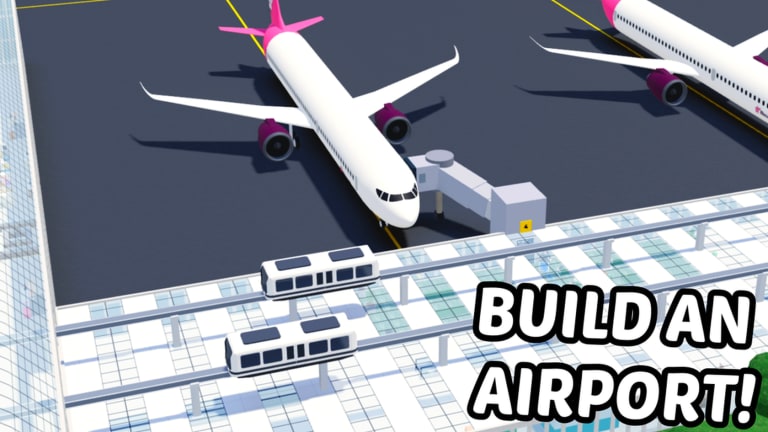
Arrivals change the whole airport
The Arrivals Update (rolled out around November 20–24, 2026) is Airport Architect’s biggest systems jump since launch. Planes no longer only depart—they bring passengers in. You must process inbound travelers through passport control, send them to baggage claim, and give them a way out, while still running outbound check-in and gates.
Arrivals also pay more per flight, so a clean inbound hall is not just realism—it is income. This guide explains the inbound flow, booth direction, e-gate upgrades, baggage belt sizes, new doors and roofs, rideable elevators, and how to keep arrivals from fighting departures. Patch-level detail lives on the Arrivals Update page; layout scaling tips sit in build a mega airport.
Inbound passenger flow
Outbound story (simplified): entrance → check-in → security → gate → runway.
Inbound story (simplified): aircraft arrives → passengers enter the terminal → passport control → baggage claim → landside exit.
Design a dedicated arrivals path so inbound crowds do not walk against departing queues. Many players put arrivals on the ground floor and departures above (or separate piers). Rideable elevators and escalators make split-level designs practical—just keep both directions unblocked.
If you still see “Passengers blocked and cant reach gates” on the departure side while debugging arrivals, pause and fix outbound pathing with passenger flow before adding more belts.
Passport control: direction first
Passport control starts with staffed booths, then upgrades toward automatic e-gates. The most common error is wrong booth direction. Community comments repeatedly cite “Passport control placed wrong direction” when immigration faces the reverse of passenger travel.
How to place booths:
- Decide the one-way inbound arrow from gate/arrival corridor toward baggage.
- Rotate each booth until the game accepts the facing.
- Leave queue space before the booths—inbound waves can be dense.
- Provide a clear exit toward baggage claim, not back onto the apron.
Do not force departing passengers through arrival passport lanes. Keep hotel guests on the landside departure side before security, per the hotel guide—hotels are not an arrivals substitute.
Staffed booths → e-gates
Staffed booths teach the flow and work at small hubs. As inbound volume rises, upgrade to e-gates for faster automatic processing. E-gates still need correct orientation and open floors; automation does not forgive a booth facing the wall.
Upgrade when:
- Queues regularly spill into gate corridors
- Multiple arrival stands unload at once
- You open busier destination islands / international-style routes
Baggage claim: three belt sizes
Baggage claim adds belts in three sizes, with bags appearing on the belt for reclaim. Match belt capacity to how many aircraft you unload at once. A tiny belt behind eight arrival gates recreates the same bottleneck as one security lane behind eight departure gates.
Placement tips:
- Put belts after passport control, before the public landside exit.
- Keep a wide reclaim floor so passengers can circle the belt.
- Avoid pinning belts against dead-end walls with no exit to curb/hall.
- Separate oversized or secondary belts if you run dual piers.
When passengers finish reclaim, they should reach landside without crossing active security queues meant for departures.
Doors, roofs, and destination islands
The update adds sliding doors and swinging doors, plus six new roofs. Use doors to enforce one-way intent between arrivals and departures without relying on hope. Roofs help sell the mega-hub look once pathing works—see cosmetics priorities on the tier list.
Bigger destination islands with new airports to fly to expand the route map. More destinations mean more simultaneous traffic, which is exactly when passport and baggage capacity matter. Unlock flashy islands only when inbound processing keeps up.
Rideable elevators
Elevators are no longer just props—you can ride them. That makes vertical separation of arrivals and departures far more viable. Treat elevator lobbies as real circulation nodes: visible call areas, open doors, and backup escalators if a shaft gets crowded.
Co-op tip: one player watches inbound passport queues while another rides elevators to verify each floor still connects after a remodel.
Earnings boost and ops priorities
Because arrivals pay more per flight, prioritize:
- At least one correct passport path from an arrival stand.
- A baggage belt sized for your schedule.
- An exit to landside that does not break hotel or check-in flows.
- E-gate upgrades when staffed booths saturate.
- Second runway / taxi capacity so inbound planes can park (mega guide).
- Amenities near reclaim for ratings while guests leave.
Money should recycle into booth/belt capacity and extra gates/routes—core advice in level up fast.
Separating arrivals vs departures
Practical separation patterns:
- Stacked levels — departures upper, arrivals lower with elevators/escalators.
- Parallel halls — shared facade, split corridors after the entrance.
- Pier split — odd gates biased to departures, even to arrivals, with careful taxiway planning.
Whatever you choose, walk both paths after every expansion. New swinging doors meant to look cool can accidentally seal a reclaim exit. New hotel wings can steal the landside corridor arrivals need to leave.
Arrivals troubleshooting
Passport control wrong direction. Rotate booths to match inbound travel; do not add more booths until facing is green. Community reports often stack this warning with “Passengers blocked and cant reach gates” when builders put check-in downstairs and immigration upstairs without a continuous escalator path—fix each floor’s story separately.
Inbound passengers stuck at the gate bridge. Missing floor from aircraft entry to passport hall, or a door blocking the corridor. Sliding and swinging doors from this update act like walls when closed the wrong way.
Bags area fills but nobody leaves. No path from belt to landside exit, or exit dumps into a closed departure-only security maze.
Departures break after you add arrivals. You probably shared one corridor without width or direction control—split flows and reread passenger flow.
Check-in upstairs, passport upstairs, still blocked. Vertical links must land into open halls on both ends. Ride the new elevators yourself after every remodel; escalator pairs need queue space at the top and bottom.
Earnings feel flat despite arrivals. Flights may complete, but blocked reclaim or passport queues prevent full payouts and ratings; fix processing, then add destinations.
Want monorail help while remodeling. Long dual-flow airports need transit—use the Monorail Guide so ticket booths are not confused with airline desks.
Suggested build order
- Keep a stable outbound loop.
- Pick an arrivals floor or hall that does not cross hotel/check-in.
- Place staffed passport booths with correct facing and queue space.
- Add a medium baggage belt and a clear landside exit.
- Connect at least one stand for inbound parking.
- Test a full arrival: unload → passport → belt → exit.
- Upgrade to e-gates; enlarge belts; add doors for flow control.
- Expand destination islands and dual runways as capacity allows.
Official trailer-level feature lists and dates are summarized on Arrivals Update. Use this guide as the operational checklist whenever you remodel.
Arrivals turn Airport Architect from a departure sandbox into a two-way hub. Face the booths correctly, size the belts, separate the flows, and the higher pay per flight funds the mega airport you actually want to build.
Frequently Asked Questions
Quick answers for Airport Architect builders.
What does the Arrivals Update add?
Inbound passengers, passport control (staffed then e-gates), baggage claim with three belt sizes, sliding/swinging doors, six new roofs, bigger destination islands, rideable elevators, and higher pay per flight.
How do I fix passport control placed in the wrong direction?
Rotate the booth so it faces along the inbound path from the arrival corridor toward baggage claim. Confirm the warning clears before duplicating booths.
Where should baggage claim sit?
After passport control and before the public landside exit, with enough floor space to walk around the belt and leave without crossing departure security queues.
Should arrivals share the departure corridor?
Avoid it when possible. Use separate halls or stacked floors with elevators/escalators so inbound and outbound crowds do not fight head-on.
Why do arrivals increase earnings?
Inbound flights pay more per flight when processed. Blocked passport or baggage paths can still waste that bonus, so keep the inbound loop clear.