Level Up Fast in Airport Architect
XP from passenger throughput, smarter gate and route unlocks, amenities, and weekly challenges.
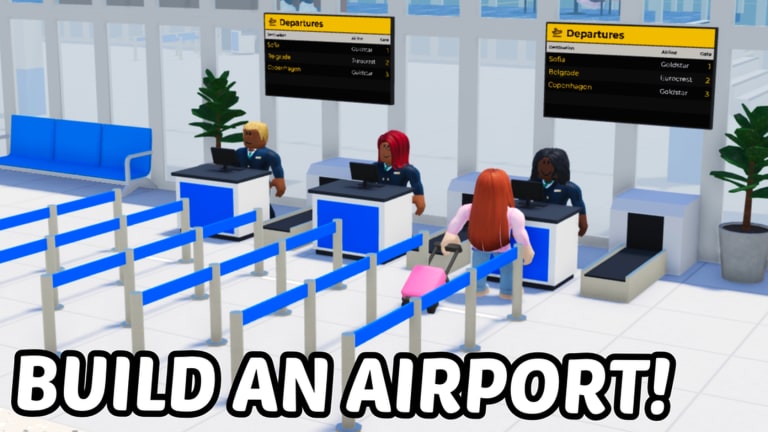
Leveling is a throughput game
Airport Architect rewards players who move people—not players who only decorate empty halls. Experience climbs when flights complete, passengers clear desks and security, arrivals process through passport and baggage, and your airport sustains ratings high enough for tougher routes. This guide focuses on fast, efficient leveling: expand gates, open routes (including international when ready), erase bottlenecks, place amenities that matter, and use weekly challenges or stamps from community progression loops.
If your first loop is still broken, fix it with Getting Started and passenger flow before grinding. Hotels and arrivals boost income when placed correctly—see the hotel guide and arrivals guide—but they only accelerate XP when guests actually finish their journeys.
XP drivers that matter most
Passenger throughput. Every successful check-in → security → gate chain (and inbound passport → baggage chain after Arrivals) feeds progression. A two-gate airport that never jams often outlevels a six-gate maze full of blockage warnings.
More gates. Extra stands multiply concurrent flights. Unlock gates only as fast as landside desks and security can feed them; empty gates do not create XP.
More routes / destinations. City routes and larger destination islands increase schedule variety and, with Arrivals, inbound payouts. International-style expansion should wait until immigration capacity exists.
Ratings via amenities. Happier airports support better performance and challenge scores. Place seating, food, and services on the paths passengers already walk.
Challenges and stamps. Community guides highlight weekly challenges and stamp-style goals as structured XP/money bursts. Treat them as focused objectives: clear a bottleneck the challenge cares about, then claim the reward instead of randomly remodeling.
Codes. Free rewards from the Codes hub shorten early upgrade waits—redeem whenever new codes drop.
Money efficiency: spend order that levels you
- Unblock the current loop — walls, flooring, wrong-facing desks/booths.
- Capacity at the choke point — usually check-in, security, or passport/baggage after Arrivals.
- One more gate once landside keeps up.
- One more route that uses the new gate.
- Plot unlock when the footprint is the real limit (see mega airport).
- Amenities strip for ratings before vanity roofs.
- Hotel desks/rooms (pre-security) for extra income loops.
- E-gates / bigger belts when inbound queues stall payouts.
- Monorail / travelators only when walking complaints or distance cut throughput.
- Cosmetic flex after the schedule runs clean.
Skipping to Presidential suites or decorative islands while passengers cannot reach gates wastes sessions. Use the tier list as a buy-order sanity check.
Clear bottlenecks like a checklist
Walk the airport at rush time and ask where the line stops:
- Landside entrance too narrow — widen doors and flooring.
- Check-in saturated — add desks, open exits, remove props in the queue.
- Security saturated — extra lanes; keep hotel traffic correctly before screening.
- Airside walk too long — travelators; consider monorail for terminal hops.
- Gate starved — not enough desks upstream, or wrong gate count for routes.
- Taxiway / runway jam — dual taxi paths or second runway for arrivals + departures.
- Passport wrong way / undersized — rotate booths, then upgrade to e-gates.
- Baggage belt too small — step up belt size; free the reclaim exit.
Each cleared bottleneck raises completed passengers per minute, which is the real XP rate.
Gates and routes: expand in pairs
A useful habit: never open a route without a free gate, and never build three gates without desk/security math. After Arrivals, also ask whether inbound stands have a passport path. Paired expansion keeps utilization high.
International or long-haul style destinations on bigger islands look great on the map but punish underbuilt immigration. Level faster by maxing reliable short routes first, then stretching distance when e-gates and belts are ready.
Custom airlines are excellent for motivation and screenshots; they do not replace capacity. Paint liveries after the schedule works.
Amenities without wasting cash
Amenities raise ratings when passengers can reach them. Cluster services in:
- Post-security airside strips
- Hotel lobbies (landside)
- Baggage reclaim edges for inbound mood
Avoid scattering expensive props in rooms nobody walks through. Ratings help challenges and overall progression; empty luxury corners do not.
Weekly challenges and stamps
When weekly challenges or stamp objectives appear in your progression UI or community trackers, read the requirement before remodeling the whole hub. Typical efficient responses:
- Need more passengers processed → open a second security lane or fix a blockage.
- Need ratings → place amenities on the main path, not a forgotten pier tip.
- Need specific facility → build the minimum working version first, upgrade later.
- Need money target → prioritize arrivals payouts and hotel desk throughput over roofs.
Stamps and challenges are pacing tools. Batch your upgrade session around them instead of idling between random purchases.
Co-op leveling
Online co-op (up to server limits) speeds builds if roles are clear: one player watches queues and warnings, another places capacity, a third handles airside paint. Call out “blocked passengers” immediately—XP dies in silence while everyone decorates.
Share Discord feedback (discord.com/invite/TBGbtgwcxb) for challenge tips, but keep this wiki’s internal links as /path/ routes only.
Session plan for a fast hour
- Redeem any new codes.
- Spawn in and note every blockage or wrong-direction warning.
- Spend first cash on the worst choke point.
- Add at most one gate + one route if upstream is healthy.
- Place or refresh one amenity cluster for ratings.
- If hotel unlocked, confirm it is still before security and desks are fed.
- If arrivals unlocked, verify one inbound path pays out fully.
- Claim challenge/stamp progress; only then buy cosmetics.
- End the session with a clean rush-hour observation for next time.
What not to do
- Ignoring blockage warnings while buying plot cosmetics
- Building hotels after security
- Opening international destinations with no e-gate plan
- Stretching a single corridor instead of travelators/monorail
- Duplicating passport booths that face the wrong way
- Measuring success by gate count instead of completed passengers
Related reading
- Getting Started — first loop
- Passenger flow — pathfinding fixes
- Mega airport — scaling layouts
- Tier list — upgrade priority
- Arrivals / Hotel — income systems
Leveling fast in Airport Architect is operational excellence: keep people moving, expand gates and routes in balance, spend on bottlenecks before beauty, and convert challenges into targeted upgrades. Throughput is the XP engine—everything else is fuel or paint.
Frequently Asked Questions
Quick answers for Airport Architect builders.
What levels you fastest in Airport Architect?
Completed passenger journeys and flights. Clear bottlenecks, then add gates and routes in balance so more people finish check-in, security, boarding, and (after Arrivals) passport and baggage.
Should I buy cosmetics to level quicker?
No. Spend first on capacity and path fixes. Amenities that raise ratings on busy paths help; pure decoration can wait until the schedule runs clean.
When should I open more routes?
When you have free gate capacity and upstream desks/security (plus passport/baggage for inbound) can handle the extra traffic without blockage warnings.
Do weekly challenges matter?
Yes. They focus your session on specific XP or money goals. Meet the requirement with the smallest working upgrade, claim the reward, then resume your hub plan.
Do codes help leveling?
Working codes from the Codes hub speed early unlocks. They complement good pathing—they do not replace fixing blocked passengers.